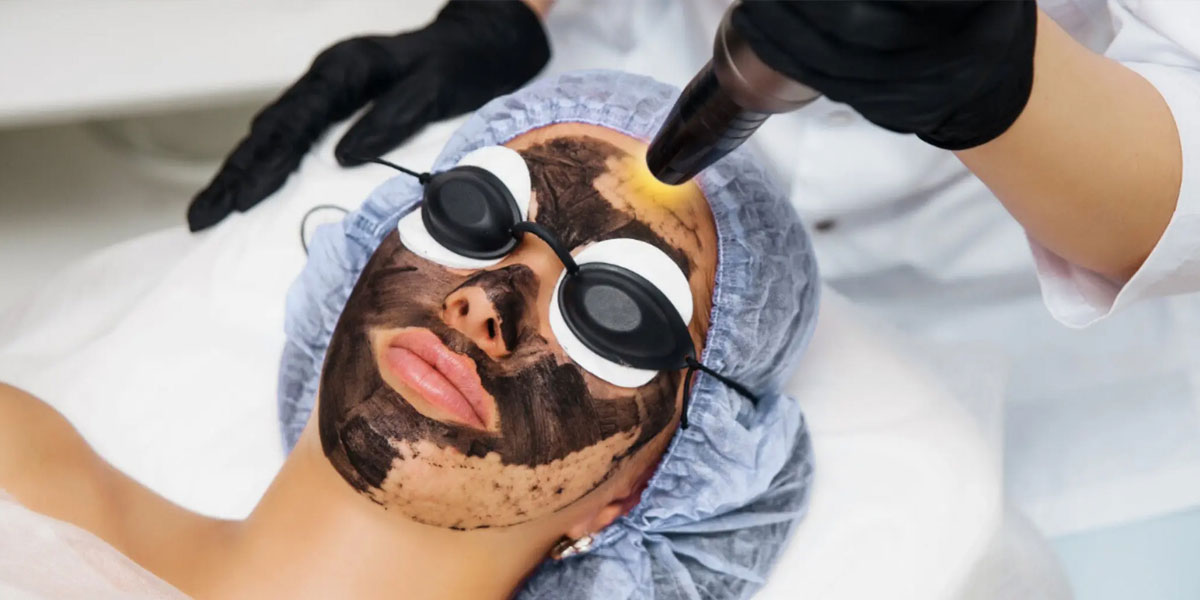
Q-Switch Laser Treatment
Q-Switch laser treatment is a non-invasive laser procedure commonly used for selected pigmentation and pigmented skin concerns. The laser delivers very short pulses of energy that can target pigment within the skin while limiting the surrounding thermal effect.
At Innovation Care, Q-Switch laser treatment in Baner is planned according to your skin type, pigmentation pattern, treatment area and individual skin concerns. A professional skin assessment is important before treatment because different types of pigmentation may respond differently to laser therapy.
Q-Switch Laser Treatments We Offer
Q-Switch laser may be considered for selected superficial and deeper pigmented concerns after evaluating the type and depth of pigmentation.

Pigmentation & Dark Spots
Q-Switch laser can be used for selected pigmented lesions and dark spots by targeting melanin within the skin. The appropriate laser wavelength and settings depend on the type and location of pigmentation.

Freckles & Sun Spots
Selected freckles and sun-related pigmented spots may be treated with Q-Switch laser technology. Treatment suitability is determined after examining the skin and pigmentation.

Uneven Skin Tone
When pigmentation is contributing to an uneven appearance of the skin, appropriately selected laser treatment may help reduce the appearance of certain pigment-related concerns.

Selected Pigmented Skin Concerns
Q-Switch laser may also be considered for certain benign pigmented lesions and other pigment-related concerns when clinically appropriate and after proper skin evaluation.
Benefits of Q-Switch Laser Treatment
Q-Switch laser technology uses very short laser pulses to selectively target pigment. The treatment approach, wavelength and energy settings are customized according to the pigmentation and the individual's skin characteristics.
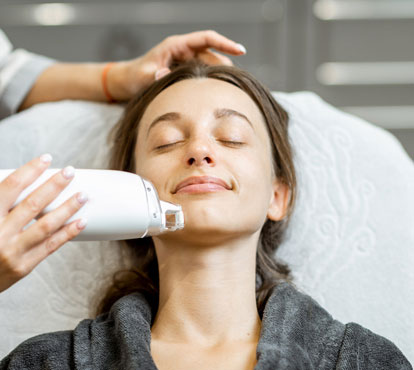

Targeted Pigment Treatment
Q-Switch laser delivers short pulses of energy that can target selected pigment while reducing unnecessary exposure of surrounding skin.
- Designed for selected pigmentation concerns
- Uses short-duration laser pulses
- Non-surgical treatment approach
- Laser settings can be customized according to skin and pigmentation
Q-Switch lasers are available in different wavelengths, including 532 nm and 1064 nm Nd:YAG systems. The appropriate wavelength depends on the type, depth and location of the pigmentation being treated.
In darker Indian skin types, careful patient selection and conservative laser settings are particularly important because pigmentary changes such as post-inflammatory hyperpigmentation or hypopigmentation can occur after laser treatment.
Melasma requires special consideration. Q-Switch laser is not generally considered a first-line treatment for melasma, and recurrence or pigmentation changes may occur. In selected resistant cases, laser treatment may be considered as an adjunct after appropriate dermatological evaluation and counselling.
Sun protection and appropriate post-treatment skincare are important for maintaining the treatment response and reducing the risk of pigmentation-related complications. Your dermatologist can recommend suitable aftercare according to your skin type and treatment area.
Frequently asked questions
Find answers to common questions about Q-Switch laser treatment for pigmentation and other selected skin concerns.
Q-Switch laser treatment uses very short pulses of laser energy to target pigment within the skin. Depending on the laser wavelength and clinical indication, it may be used for selected pigmented lesions, freckles, dark spots and other pigment-related concerns.
Q-Switch lasers can be used for selected pigmented lesions, freckles, certain sun-related spots, tattoos and other pigmentary concerns. The suitability of treatment depends on the diagnosis, pigment depth, skin type and the specific laser system being used.
Q-Switch laser can be used in Indian skin types when the treatment is appropriately selected and performed with suitable settings. Darker skin requires careful assessment because laser treatment can sometimes cause temporary or persistent pigmentary changes.
Most patients describe Q-Switch laser treatment as a brief snapping or pinching sensation. The level of discomfort can vary depending on the treatment area, laser settings and individual sensitivity. Cooling or other comfort measures may be used when appropriate.
The number of sessions varies according to the type and depth of pigmentation, treatment area, skin type and individual response. There is no fixed number of sessions suitable for every patient, so the treatment plan is decided after assessment.
Q-Switch laser should not be considered a permanent cure for melasma. Melasma can recur, and laser treatment is generally not considered the first-line treatment. In selected resistant cases, a dermatologist may consider laser as an adjunct to other appropriate treatments.
Temporary redness, sensitivity or mild swelling may occur after treatment. Depending on skin type, laser settings and the condition being treated, changes in pigmentation such as hyperpigmentation or hypopigmentation can also occur. Appropriate settings and aftercare help reduce these risks.
Follow the post-treatment skincare instructions provided by your dermatologist. Sun protection is especially important after laser treatment. Avoid unnecessary sun exposure and do not use irritating skincare products unless they have been recommended for your skin.

