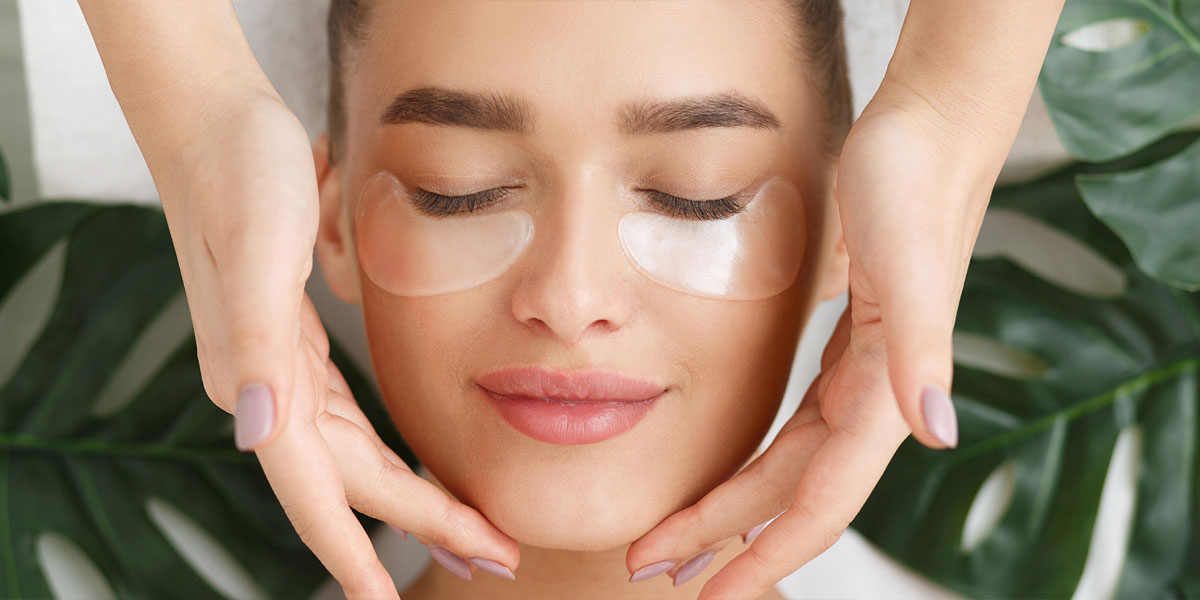
Under Eye Treatment
“At Innovation Care, we are a leading clinic for Under Eye Treatment in Baner, Pune.” Dark circles, under-eye pigmentation, hollowness and fine lines can make the face appear tired even when you feel well rested. At Innovation Care, our Under Eye Treatment in Baner focuses on understanding the underlying reason for the under-eye concern before selecting an appropriate treatment approach.
Under-eye darkness is not caused by one single factor. Pigmentation, visible blood vessels, thin skin, puffiness, tear-trough shadowing, loss of volume and skin laxity can all contribute to the appearance of dark circles. A personalized assessment is therefore important for choosing a suitable treatment. :contentReference[oaicite:1]{index=1}
Under Eye Treatments We Offer
Depending on the cause and severity of the concern, under-eye care may include skin-focused treatments, pigmentation management or selected aesthetic procedures. Treatment is planned according to individual skin characteristics and facial anatomy.

Dark Circle & Under Eye Pigmentation
For pigment-related darkness, a suitable skin-care or dermatological treatment plan may help improve the appearance of uneven pigmentation around the eyes.

Under Eye Rejuvenation
Selected rejuvenation treatments can be considered to improve the appearance of fine lines, uneven texture and tired-looking under-eye skin.

Tear Trough & Under Eye Hollowing
When shadowing is related to tear-trough or volume loss, suitable patients may be evaluated for options designed to improve the appearance of under-eye hollowness.

Under Eye Puffiness & Tired Appearance
Under-eye puffiness can have different causes. Assessment helps determine whether skin care, lifestyle measures or an aesthetic treatment approach may be appropriate.
Benefits of Under Eye Treatment
The main goal of under-eye treatment is to improve the appearance of the specific concern rather than treating every type of dark circle in the same way. Because under-eye darkness can have multiple causes, treatment selection should be individualized. :contentReference[oaicite:2]{index=2}
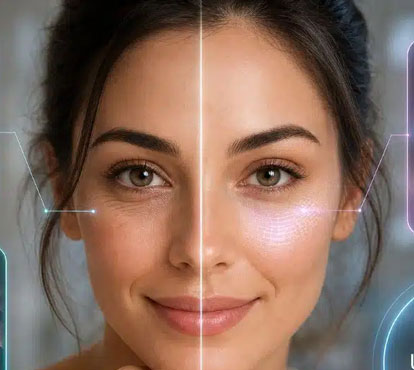

Personalized Under Eye Care
Treatment can be selected according to whether pigmentation, hollowing, puffiness, fine lines or shadowing is the primary concern.
- Helps address specific causes of under-eye darkness
- Can improve the appearance of tired-looking eyes
- May support a more even-looking under-eye skin tone
- Individualized treatment based on skin and facial structure
Pigment-related dark circles may respond to selected topical, peel or laser-based approaches, while shadowing caused by volume loss or tear-trough changes may require a different strategy. Evidence reviews emphasize that the most appropriate treatment depends on the underlying cause. :contentReference[oaicite:3]{index=3}
For under-eye concerns related to hollowness or volume loss, selected patients may be considered for injectable treatments such as soft-tissue fillers. However, the under-eye region is anatomically delicate, so such procedures require careful assessment and appropriate expertise. Fillers are not suitable for every person with dark circles.
Under-eye skin is thin and sensitive. Treatments involving lasers, chemical peels or other procedures should therefore be selected carefully, especially for individuals prone to pigmentation. Sun protection and appropriate aftercare are important parts of managing pigmentation around the eyes. :contentReference[oaicite:4]{index=4}
There is no single treatment that permanently removes every type of dark circle. The objective is to identify the major contributing factors and choose a treatment plan that provides realistic and appropriate improvement.
Frequently asked questions
Find answers to common questions about Under Eye Treatment in Baner, including dark circles, pigmentation, hollowness, treatment options and expected results.
Dark circles can have several causes, including pigmentation, visible blood vessels, thin under-eye skin, allergies or irritation, puffiness, tear-trough shadowing, volume loss and age-related skin changes. More than one factor may be present in the same person.
There is no single best treatment for every type of dark circle. Pigmentation, vascular visibility, hollowness and skin laxity may require different approaches. A professional assessment helps determine which treatment is most appropriate for the individual's underlying concern.
Complete removal cannot be guaranteed because dark circles can be caused by genetics, anatomy, pigmentation, vascular factors and aging. Treatment aims to improve the appearance of the specific contributing factors and achieve a natural-looking result.
Yes, pigment-related under-eye darkness may be treated with selected topical treatments, chemical peels or laser-based approaches depending on the cause and skin type. Because the under-eye area is delicate, treatment should be carefully selected and performed with appropriate precautions.
Yes. A depression or tear trough beneath the lower eyelid can create shadows that make the area look darker even when there is little actual pigmentation. In selected patients, treatments aimed at improving volume or contour may help reduce the appearance of this shadowing.
The safety of treatment depends on the specific procedure, skin condition and individual anatomy. Because the under-eye area is sensitive and anatomically complex, procedures such as lasers, peels and injectables should be performed only after appropriate assessment and by a suitably qualified professional.
The number of sessions depends on the cause of the under-eye concern and the selected treatment. Some skin-focused treatments may require a series of sessions, while other procedures may be performed differently. A fixed number of sessions cannot be guaranteed without an individual assessment.
Healthy sleep habits, sun protection, avoiding excessive rubbing of the eyes and managing allergies or skin irritation may help when these factors contribute to under-eye darkness. However, genetic pigmentation, facial anatomy and volume-related shadowing may not improve significantly through lifestyle changes alone.

